
Spanish Wealth Tax: Essential Guide for Expats to Understand and Comply

By Geoff Kennedy, Accountant & Tax Advisor in the Costa del Sol – MMR Consultant
The Spanish Wealth Tax (Impuesto sobre el Patrimonio) is a significant consideration for expatriates living in Spain, as it directly impacts their financial obligations. This tax applies to individuals based on their net worth, which includes various assets, and understanding its nuances is crucial for compliance. In this guide, we will explore the key aspects of the Spanish Wealth Tax, including who is liable, the current rates and thresholds, and the declaration process. Many expats find themselves confused about their responsibilities and the implications of asset ownership in Spain. This article aims to clarify these points and provide actionable insights for effective tax planning. We will cover essential topics such as tax residency definitions, applicable assets, and available exemptions, along with practical steps for declaring the tax.
Who Is Liable for Spanish Wealth Tax? Understanding Expat Responsibilities
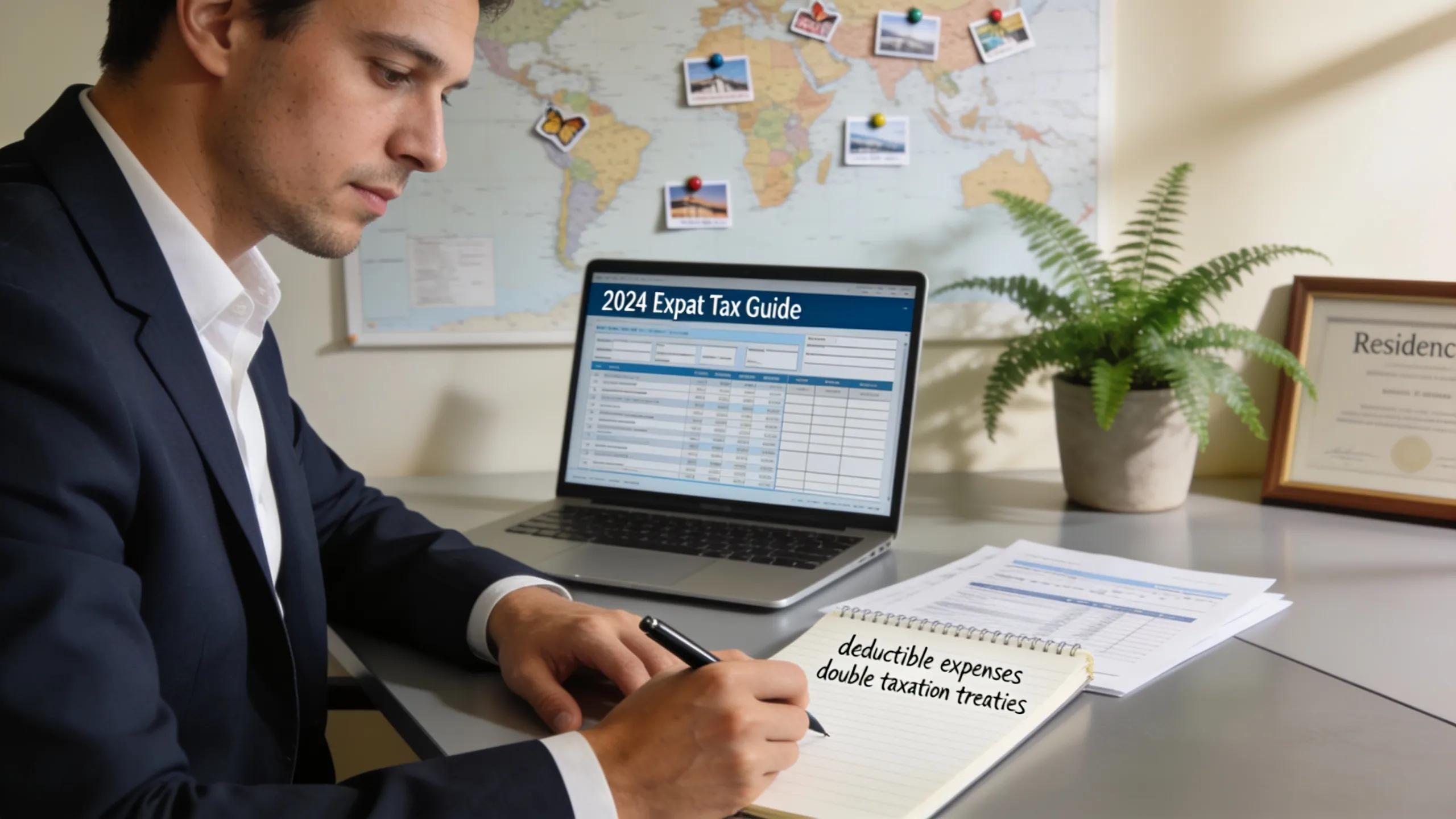
The Spanish Wealth Tax applies to individuals who meet specific criteria regarding tax residency and asset ownership. Expatriates living in Spain may be liable for this tax if they are considered tax residents or if they own assets within the country. Understanding these criteria is essential for compliance and financial planning.
What Defines Tax Residency Under Spanish Law for Expats?
Tax residency in Spain is defined by the duration of an individual’s stay in the country. An individual is considered a tax resident if they spend more than 183 days in Spain during a calendar year. Additionally, if the center of their economic interests is located in Spain, they may also be classified as a tax resident. This classification has significant implications for tax obligations, as residents are taxed on their worldwide income and assets.
Which Assets Are Subject to Wealth Tax in Spain?
The Spanish Wealth Tax applies to a wide range of assets, including real estate, bank accounts, investments, and personal property. However, certain assets may be exempt or have specific valuation methods. For instance, primary residences may have an exemption threshold of up to €300,000 per individual (or €600,000 for a couple), while other properties are fully taxable. Understanding which assets are subject to this tax is crucial for accurate reporting and compliance.
What Are the Current Wealth Tax Rates and Thresholds for Expats in Spain?
The current wealth tax rates in Spain vary by region, with different autonomous communities setting their own thresholds and rates. Generally, the tax rates range from 0.2% to 3.5%, depending on the value of the taxable assets. It is essential for expats to be aware of these rates to ensure they meet their tax obligations.
How Are Wealth Tax Brackets Structured for Different Asset Values?
Wealth tax brackets in Spain are structured progressively, meaning that higher asset values are taxed at higher rates. For example, as of 2023, assets valued up to €700,000 may be taxed at lower rates, while those exceeding €10 million may face the highest rates. This structure incentivizes tax planning and asset management to minimize tax liabilities.
What Exemptions and Allowances Apply to Expats?
Expats may benefit from various exemptions and allowances under the Spanish Wealth Tax. For instance, the primary residence may be exempt up to a certain value, and there are allowances for family members. Understanding these exemptions can significantly reduce the overall tax burden for expatriates.
How to Declare Spanish Wealth Tax: Step-by-Step Process for Expats

Declaring the Spanish Wealth Tax involves a systematic process that requires careful attention to detail. Expats must ensure they have all necessary documentation and meet deadlines to avoid penalties.
What Are the Declaration Deadlines and Required Documentation?
The declaration for the Spanish Wealth Tax typically occurs annually, with deadlines varying by region. Expats must gather documentation such as property deeds, bank statements, and investment records to accurately report their assets. Missing deadlines can result in fines, making timely submission crucial.
How to Navigate the Agencia Tributaria’s Wealth Tax Declaration System?
Navigating the Agencia Tributaria’s system for wealth tax declarations can be complex. Expats should familiarize themselves with the online platform and the specific forms required for submission. Utilizing available resources and guides can simplify this process and ensure compliance.
What Legal and Financial Support Services Are Available for Expats Facing Wealth Tax?
Expats facing the complexities of the Spanish Wealth Tax can benefit from various legal and financial support services. These services can provide guidance on compliance, tax planning, and asset management.
How Can Expert Consultancy Simplify Compliance and Planning?
Expert consultancy services can significantly simplify the compliance process for expats. These professionals offer tailored advice on tax obligations, help with documentation, and provide strategies for minimizing tax liabilities. Engaging with a consultancy can lead to more efficient tax planning and peace of mind.
What Administrative Assistance Does MMR Consultant Provide?
MMR Consultant specializes in providing administrative support for expatriates navigating the Spanish tax system. Their services include assistance with tax declarations, legal compliance, and financial planning tailored to individual needs. By leveraging their expertise, expats can ensure they meet all regulatory requirements while optimizing their tax situation.
How Do Spanish Inheritance and Wealth Tax Interact for Expats?
Write for me
Based on entire block
Quota 3/99999
The interaction between Spanish inheritance tax and wealth tax can be complex for expatriates. Understanding how these taxes overlap is essential for effective financial planning.
What Are the Key Differences and Overlaps Between These Taxes?
Spanish inheritance tax applies to the transfer of assets upon death, while wealth tax is assessed based on an individual’s net worth at a specific point in time. However, both taxes can impact the overall financial obligations of expats, making it crucial to understand their respective implications.
How Can Expats Plan for Cross-Border Tax Implications?
Planning for cross-border tax implications involves understanding the tax treaties between Spain and the expat’s home country. This knowledge can help mitigate double taxation and ensure compliance with both jurisdictions. Engaging with tax professionals who specialize in international tax law can provide valuable insights and strategies for effective planning.